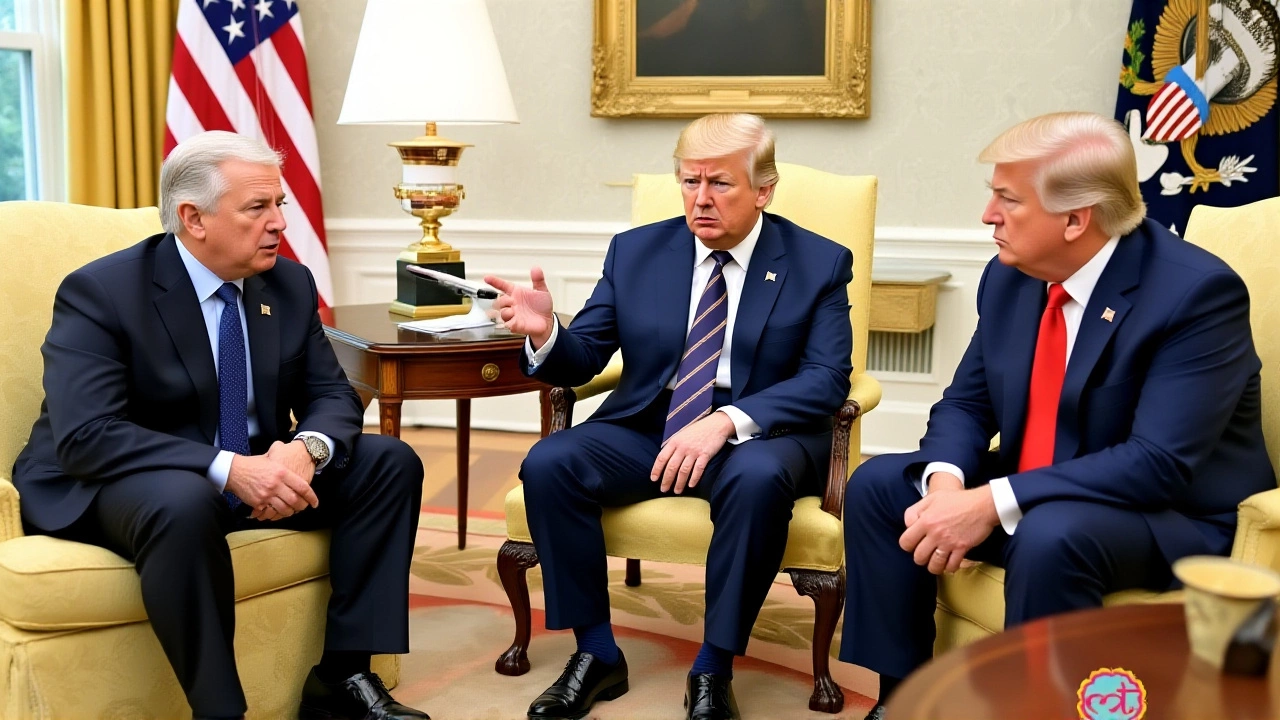
When Donald Trump, former U.S. President, took to his social media platform Truth Social last Sunday, he didn't just drop a hint—he dropped a geopolitical bombshell. He claimed credit for stabilizing ties between India and Pakistan, then boldly declared he could do the same for Israel and Iran. But here’s the twist: while Trump promised peace, bombs were falling. It was the third consecutive day of Israeli airstrikes on Iranian soil, leaving hundreds dead. The disconnect between diplomatic bravado and military reality is staggering.
The timing couldn’t be more precarious. As Washington-based human rights monitors reported at least 406 deaths and 654 injuries in Iran due to these strikes, Trump was busy framing himself as the ultimate dealmaker. He referenced past interventions in disputes like the Nile Dam conflict between Egypt and Ethiopia, suggesting his mere presence guarantees stability. Yet, on the ground, the situation was spiraling. Iranian missiles had successfully bypassed Israeli air defenses, striking buildings in central Israel. The region wasn’t just tense; it was actively burning.
The Abraham Accords Pressure Cooker
Here’s where things get complicated for Islamabad. Reports from outlets like *The Lallantop* suggest Trump has publicly linked Pakistan, along with Saudi Arabia and Qatar, to signing the Abraham Accords. This isn’t just a suggestion; it’s portrayed as an ultimatum. Critics argue that by potentially aligning closer with Israel to appease Washington, Pakistani leadership—specifically the duo of Sheikh Sharif and military chief Munir—might be biting off more than they can chew.
Analysts warn this move could isolate Pakistan further in its own neighborhood. "It’s like kicking away the ladder right after you’ve climbed it," one regional strategist noted. If Pakistan pivots toward Jerusalem under American pressure, it risks alienating Tehran, a neighbor with whom it shares deep historical and economic ties. The fear is that this diplomatic tightrope walk could lead to internal political instability, or worse, economic ruin if trade routes are disrupted.
A Secret Deal in Plain Sight?
But wait, there’s another layer to this onion. While public rhetoric heats up, whispers of a secret backchannel agreement have emerged. Citing reports attributed to Reuters, sources claim Pakistan struck a major oil and gas supply deal with Iran. More intriguingly, some accounts suggest this clandestine arrangement helped keep the Strait of Hormuz open—a critical chokepoint for global energy supplies.
This creates a bizarre paradox. Publicly, Pakistan might be facing pressure to normalize relations with Israel. Privately, it appears to be securing vital energy resources from Iran. Is this masterful diplomacy or dangerous double-dealing? The details remain murky, but the stakes are incredibly high. If exposed, such a dual-track policy could trigger severe backlash from both Washington and Tehran.
The April 21 Deadline
The tension peaked around a proposed second round of peace talks scheduled for Islamabad on April 21, 2026, at 11:00 AM. Trump labeled these negotiations the "final talks," issuing stark warnings to Iran. He threatened that if conditions regarding enriched uranium and the Strait of Hormuz weren’t met, he would target every power plant and bridge in Iran.
Such aggressive language is typical of Trump’s transactional approach to foreign policy. However, Iranian officials dismissed the talk schedule, stating no concrete plans existed from their side. This mismatch in expectations highlights the fragility of the current diplomatic effort. With Israeli forces confirming strikes on the Mashhad airport’s military refueling aircraft, the window for de-escalation is closing fast.
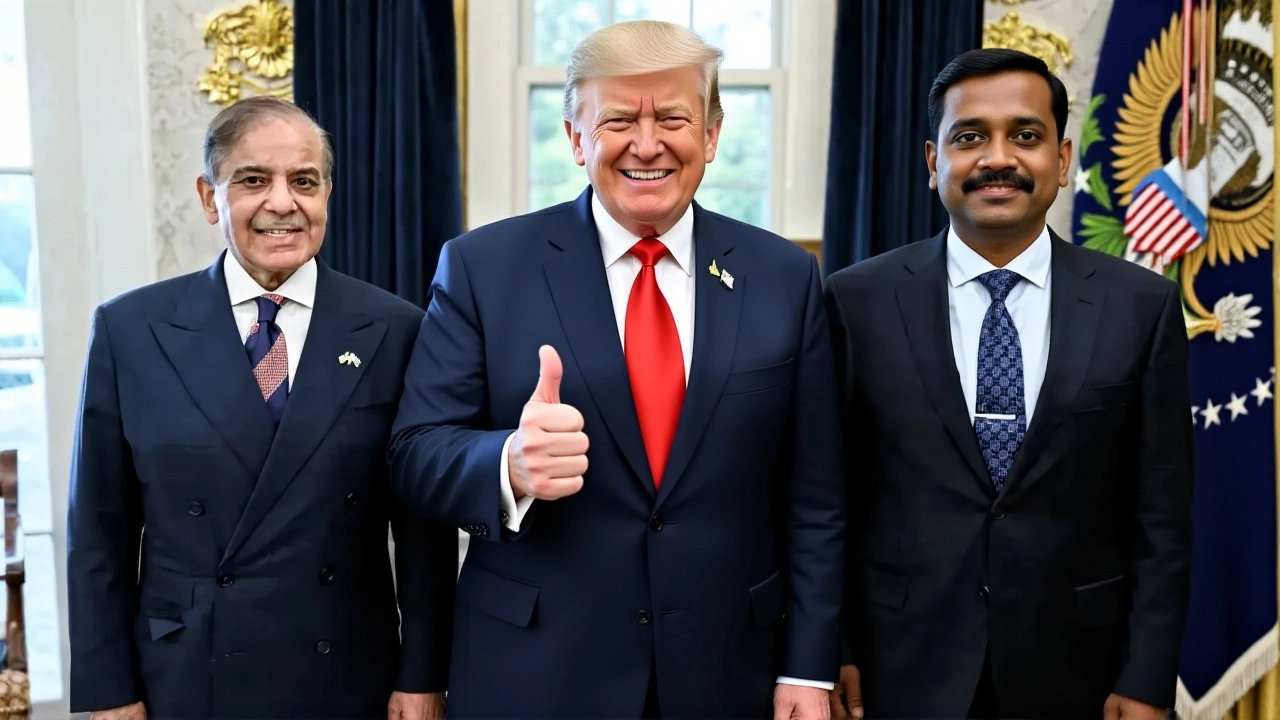
What Does This Mean for Global Stability?
The ripple effects extend far beyond South Asia and the Middle East. A full-scale war between Israel and Iran would disrupt global oil prices, impacting economies worldwide. Pakistan’s role becomes pivotal here. If it chooses sides explicitly, it could become a proxy battleground. If it tries to balance both, it risks angering everyone.
Experts point out that previous precedents, like the normalization deals in the Gulf, show that small states often pay a heavy price for great power rivalries. Pakistan’s economy, already struggling, cannot afford another shock. The question isn’t just who wins the argument; it’s who survives the fallout.
Frequently Asked Questions
Why is Donald Trump involved in the Israel-Iran conflict?
Trump views himself as a key mediator in global conflicts, citing past successes like easing tensions between India and Pakistan. He believes his leverage over trade and security alliances allows him to force negotiations between adversaries like Israel and Iran, aiming to secure a legacy-defining peace deal before potential future elections.
What are the Abraham Accords and why does Pakistan matter?
The Abraham Accords are a series of normalization agreements between Israel and several Arab nations. Trump is reportedly pressuring Pakistan, Saudi Arabia, and Qatar to join. For Pakistan, joining would mean significant US support but likely sever ties with Iran, disrupting its regional balance and energy security.
Is there a secret deal between Pakistan and Iran?
Reports suggest Pakistan has engaged in a covert oil and gas supply agreement with Iran. Some analysts believe this deal helps maintain stability in the Strait of Hormuz, allowing Pakistan to hedge against US pressure while ensuring its energy needs are met, though official confirmation remains scarce.
What happened during the recent Israeli strikes on Iran?
Over three days, Israel conducted airstrikes targeting military infrastructure, including a refueling aircraft at Mashhad airport. Human rights groups estimate 406 fatalities and 654 injuries. In response, Iran launched missiles that penetrated Israeli air defenses, hitting civilian structures in central Israel, escalating the risk of wider war.
What is the significance of the April 21, 2026 date?
April 21, 2026, was set for a crucial round of peace talks in Islamabad. Trump called them "final talks," threatening destruction of Iranian infrastructure if demands on uranium and the Strait of Hormuz weren’t met. However, Iran denied any formal plan, indicating a deep mistrust and lack of readiness for immediate resolution.